Featured

Let Yourself be Heard

I just wanted to take a minute to remind you that it is okay to be heard.

Last week, I had my first come-apart in a very long time.  I had been feeling invisible, unheard, and even lonely (and I live in a house with dogs, cats, sons, and a husband).

I have entered another shift in my life, where uncertainty and change exist, and I don’t know where I fit.  I was distant and grumpy, and although I was trying to push off those feelings, as they usually do, they came out.

It was dumb…a word said by my husband in jest that I overreacted to.  Which, of course led to more overreaction.  Even though my husband tried to be patient, gentle, and calm, I eventually pushed so hard that our communication broke down into anger and a very loud conversation.

Eventually, my feelings came out.  I exploded.  Everything I had been pushing away and avoiding voicing aloud came out in a destructive flood of emotion.

They poured out in sobs and ugly crying.  All of my doubts, fears, and feelings of inadequacy that led me to question my achievements and worth came out.

My husband says when we try to mute our feelings, pushing them down to keep the peace, fit in, or make our wants small…eventually containment fails and we explode.

We recovered, we apologized, we talked, I said my feelings and fears out loud, and the world kept moving forward.  We repaired as we have done thousands of times in the past 33 years.

If I had just trusted and let myself be heard…If I had recognized that being heard matters to our peace and that saying our fears out loud lets others love us through our struggles,  it may have been uncomfortable for a moment, yes.  But that moment would have passed and the come apart may have been everted.

Be strong enough to let yourself be heard! 

Featured

Snapshots

I was thinking the other day about who we are to others, who we appear to be at this moment in time, and what is missing from the impressions we leave behind.  This is why those “I have not done” lists on social media are so popular.  We want to know a person’s story and who they were before who they have become.  These lists are like the pictures of the 80-year-old woman standing in front of the mirror, and in her reflection, you see a nurse, a lawyer, a soldier…or a childSnapshots miss so much about what made us who we are today, and they completely disregard the changes we have made in our lives.  Most of all, they miss our growth and the lessons we learned within that change.  The danger is that we dismiss the person’s past and expect what we see, often leading to less grace, less humanity, and less forgiveness. 

Then ask yourself why it is necessary to know why someone is the way they are, or what in their past taints their now, for you to give them the understanding and grace you would readily give if you met them in that past moment.”

*My children know I am a survivor of childhood abuse, domestic violence, and sexual assault.  These have never been in-depth conversations and usually come about through topics such as autonomy, protecting self, how we treat others, and why I or others are the way we are.   Many things have gone unsaid, and I have told my children that if they read my journals, they should do so with caution, and certainly after I have left this world because there are things they may not know.  I think that is likely true for all parents, as we tend to guard our children from our past. 

This is where I remind you that you are not responsible for the choices of others, especially when you were a child or the outcomes of those choices.  It is not your responsibility to carry the weight of those decisions; doing so harms you and your future self.  While you are responsible for your own actions and reactions, it is limited to what you knew at that time. If you, as a child, were given alcohol or drugs by an adult and became an addict, you are only responsible for what you did when it was solely your choice.  If once you were responsible for yourself, you continued to use it, then that is where your responsibility starts.  There are still consequences for your behaviors as a child; sadly, those consequences may carry through your life and into other’s lives.  This is especially true in cases such as a child giving another child drugs, or a child sexually abusing another child We must learn to forgive ourselves and let go of the psychological and emotional weight brought by another’s choice.  Carrying this weight prevents us from healing and prevents that person from being held responsible.  If you were standing in front of me, I would physically lift that invisible weight off of your shoulders, and we would symbolically place that weight on the person responsible. It is theirs to carry, not yours.

If you have known me for any period of time you have heard me say, “When you know better, you do better”.  I often talk about the discussions I have had with my (now adult) children about their childhood and their perceptions.  My husband and I have prompted our children to take what was positive from childhood into adulthood and leave the negative.  We are honest that we made mistakes, sometimes that caused emotional and psychological harm, and we want our children to know that they can always talk to us about those mistakes. My fondest wish is to roadblock any passed down/generational trauma and forge the way for permanent change for future generations of my family.

Take what I told you above about my childhood, and think of a moment when you have judged another by their snapshot.  If you knew more, would you have reacted differently to that moment?

Ask yourself why it is necessary to know why someone is the way they are and what in their past taints their now for you to give them the understanding and grace you would readily give if you met them in that past moment.

Snapshots are only one moment in the making of a lifetime.

How Happy Found Me: AKA The Baggage We Carry

Yesterday I was on my way to work and listening to Klove when they asked, “What is one word you would use to describe your life right now?”
Immediately the word “happy” entered my mind.

Happy is scary for me.

Happy is a place of vulnerability.

Happy often turns to sad. 

Happy gives me anxiety.

For years I didn’t let happy in. 

I settled in a place of satisfaction with my life and dedication to my family. I vowed to break the cycles of abuse in my family and be a better mother and wife. But, I didn’t allow happy in.

Many people in my younger life were a source of instability, either because of my mother’s actions, who lived with bipolar disease, or distance as we or they moved. Due to my mother’s instability, my father’s illness, and intense poverty, I was pushed out of my home at 18. This led to marriage at 18, the birth of my first child at 19, and divorce after intense domestic violence. Additionally, like many, I am a survivor of sexual assault as a child and as an adult.

If you don’t expect happy then you can’t be disappointed by sad

At age 24, my father-in-law passed away suddenly. This thrust me into the world of a mother-in-law who, as of 31 years of marriage, refuses to have a relationship with her first daughter-in-law (me), instead maintaining a grudging distance. *For Christmas one year, she gave me a scrub brush. It was a nice scrub brush, but… That is a story for another time* This left me feeling uncomfortable and unwelcome, often alone. I knew my husband deserved a relationship with his mother and siblings, and our children deserved a relationship with their grandmother, aunt, and uncles. This led to years of emotional distress as I tried to fit in and “earn” her love. Then at age 27, my father passed away after years of struggle with juvenile diabetes, blindness, and 6 years of hemodialysis. My dysfunctional relationship with my mother became unsustainable within a few weeks after his death. Eventually, I realized that my dad was the glue holding my relationship with my mother. Without that buffer, our relationship was all toxic and had no benefit.

A child living with abuse, trauma, or a parent with a chronic illness, mental illness, or addiction normalizes their experience.

I read the paragraphs above, and my nurse brain sees why someone experiencing those life events might push happy away. However, I also understand that I lived as if everyone’s life was like mine for much of my youth, which was as good as it would be. That is what children do. I was blessed that along this path, I had helpers: grandparents who did their best to love my sister and me, an aunt who loved me and attempted to protect me the best she could, and an ‘adopted’ mom and family (I briefly dated her son) who offered me kindness, gentleness and showed me the love of God through her actions. I met, married, and grew up with an amazing man by my side who has worked hard to be patient with my baggage.

Happy. That emotion I thought I had given up on has finally found me, and it only took me 51 years to let it in. Why now?

I’m sure there are some happy memories stored under the pain, but I have to dig through the pain to find them.

Recently, my daughter asked me to tell her happy memories from my childhood, and we quickly realized that I don’t have many, or, more correctly, I don’t have access to many from my childhood. I can access stories of hardship, poverty, emotional pain, and a lack of happiness. I can also find memories of my dad that I am fond of, and they make me smile, and I tell them to help my children know him. I find memories with feelings of safety when my sister and I spent time with my grandparents and aunt. Honestly, I have a more challenging time finding memories of my mother that elicit feelings I want to share with others. That is hard for my child’s heart to understand; however, I know that nothing I did caused that pain, and it is NOT mine to hold on to. So, I let that be.

Breaking the cycle means letting the bad be. Laying the sad aside. Allowing myself the grace to know that nothing I did as a child caused the poverty, trauma, emotional and physical pain, loneliness, and feelings of not belonging. Seeing the heartache without owning it. Learning not to carry it with me. Learning to look at the pain without allowing it back into my life. To break the cycle, I had to learn to unload the pain I carried in my baggage to make room for happy.

The truth is, happy couldn’t find me until I let go of unhappy

Mental Matters

I have been pondering the moments in our lives that create challenges to our coping mechanisms. Each of us encounters these moments, often many times, throughout our lives. It begins in childhood with events that we encounter that ask us to adapt. Most children, even in the most challenging moments, assimilate the emotions and incorporate the new experience. We know that even in the most devastating situations a child can adapt and learn to cope in a way that maintains their ability to function. Much of that coping comes from ingrained personality traits we come by through genetics as well as those around us that we interact with and have influence in our lives. As we grow our ability to adapt and cope becomes more important and often harder to recover, eventually leading us through education, dating, marriage, parenting and career.

The Triangle of Health

The Triangle of Health depends on the status of one to balance the other. In the moment that our physical health is impacted, our emotional and psychological health is also impaired until we can adapt by creating coping skills that once again balance our triangle. When we fail to adapt, whether it be for a short or prolonged period of time, we become mentally unwell, mentally ill.

Mental illness, like physical illness, can vary by degrees. Just as the body encounters short spurts of illness during a virus such as a cold or the flu, the mind encounters short moments of temporary illness as we adapt and cope. This most often occurs due to a one time trauma such as a car accident, the death of a pet, a challenge at work, an argument with a loved one and so on. In most cases these moments are fluid and we have encountered similar challenges before making adaptation fairly easy. These are often common, repeated events, short lived, and easy to access a support system during.

What if we encounter something more serious? Something similar to appendicitis, hip or knee replacement, in its effects on our mental health. These events are larger, take up more room in our lives, and often remove a portion of our support system such as the death of a child, spouse, or parent, chronic or terminal physical illness, the loss of a job, physical attack such as abuse or assault. For some these moments take more work to adapt, often forcing us to create or recreate coping skills and pull others in to our support circle to help us regain our health. These events may require the help of a mental health professional and medical treatment such as counseling and medication. For most, incorporating new coping skills takes time, yet once treatment turns in to healing we readjust and regain our health. Each of us will encounter 1 or 2 of these events during our life, some more, and most of us will recover well.

Then there is the mental equivalent of cancer, stroke, amputation of a limb. The catalyst can be a large one time event in our lives, or many smaller events where we have been unable to recover our health, unable to build coping skills to help us adapt and move forward. For some, chemical imbalances in the brain prevents healing. For others, the defining moment may have been so debilitating they have never been able to form coping skills to move past the psychological damage. Truly, without inherent and adaptive coping abilities, even what appears to be a small moment can cause such debilitating damage to our health triangle that each additional challenge further impairs adaptation. This creates an emergent moment that so greatly impairs our healing we become severely ill and experience psychosis. In this situation the person is no longer able to heal without intensive therapy and medical care, and even then some never regain their health. This is a medical emergency. Without treatment there is a true risk that the person will hurt themselves or others.

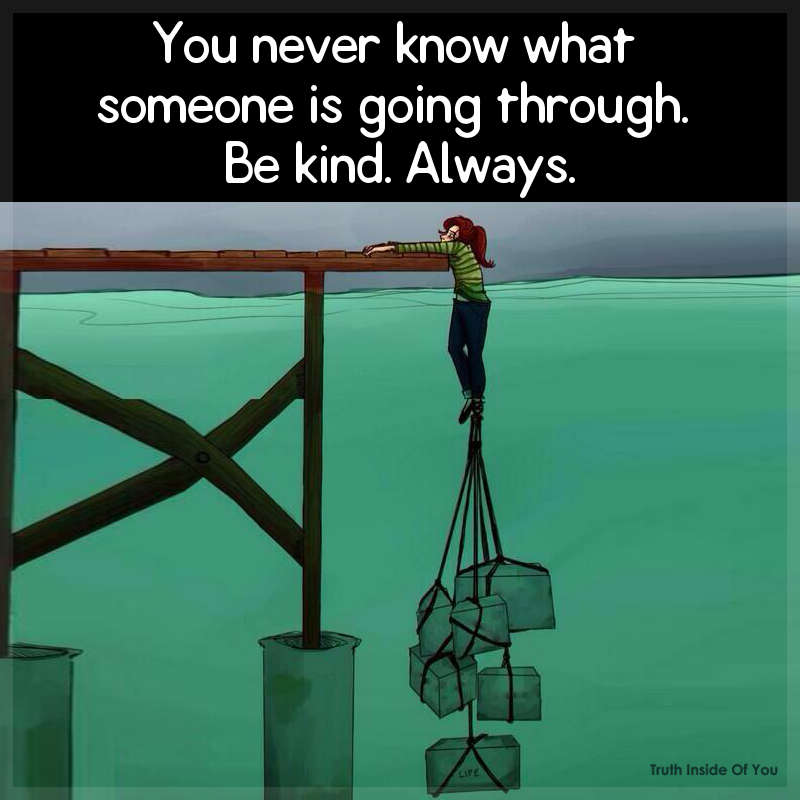
The fact is, each of us encounters mental illness. There is not a person born that has escaped the moments that challenge our coping skills and support circle. Hopefully these moments are sparsely scattered throughout our lives in such a way that we can recover and build on our ability to adapt, therefore making it easier for us to regain our mental health. Most of all, understanding that the human experience includes moments of mental illness should lend us to compassion, empathy, and allowance for those in the crucial moment of adaptation to their circumstances.

When we see others struggling we can choose to become part of their support circle and help them adapt and recover, regaining their mental health and hopefully adding to our support system in the process.

Transitions Make Our Lives

Featured

We all have transitions……

Be yourself; Everyone else is already taken.

— Oscar Wilde.

I’ve had the prompting to start a blog for a while, and finally decided to take the plunge. Visit often to find information, education and support as you transition into your parenthood journey.

I would love to to answer questions, so if you have any put them in the comments.

Featured

What’s in a Name?

About Me

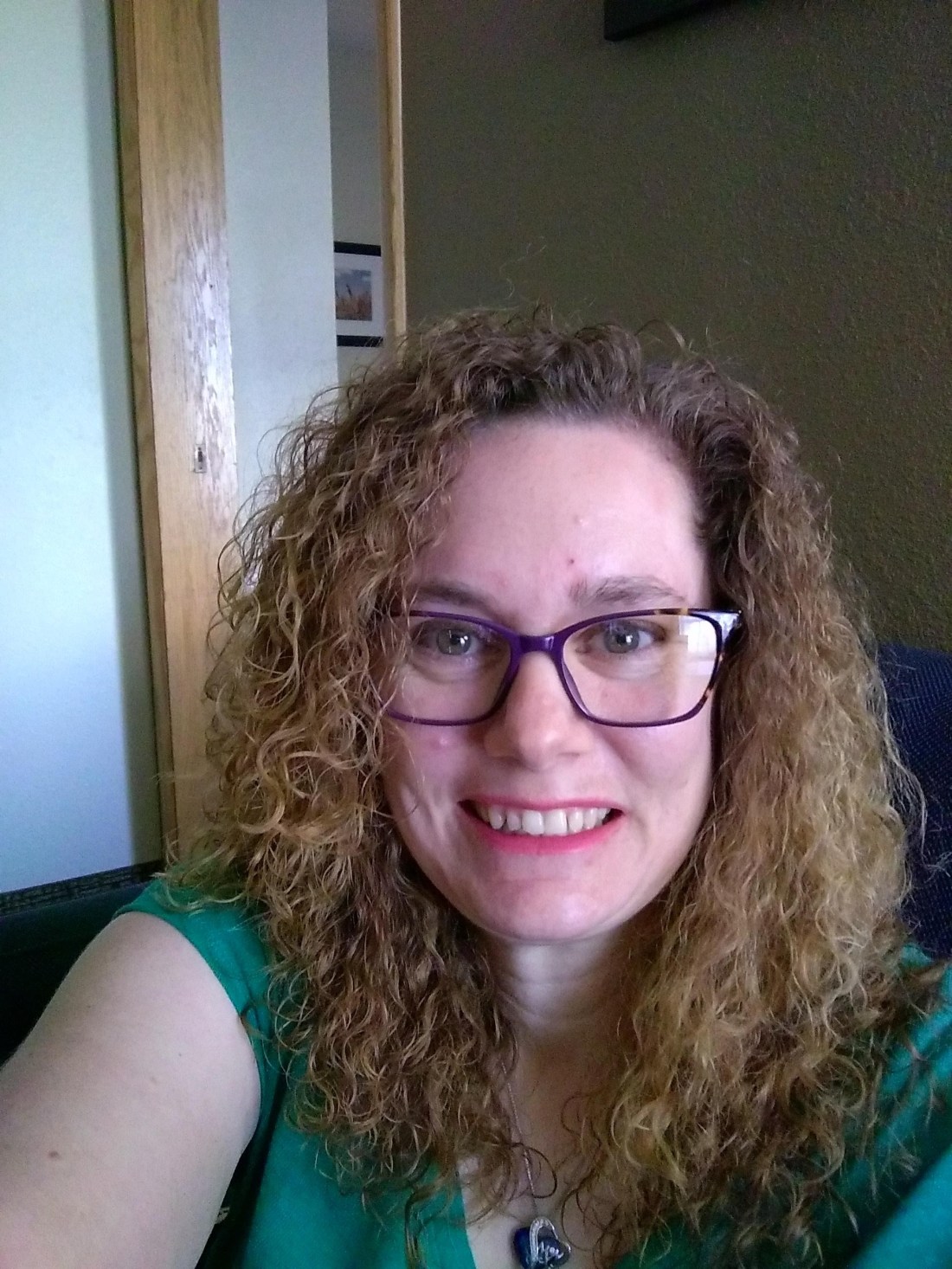
Hi! My name is Chantel. I am a certified and licensed (literally) birth junkie. What is a birth junkie? Simply put it is a person who can insert the topics of pregnancy, birth, postpartum, breastfeeding, and babies in to the most obscure conversations without any hint of caution.

I started working in birth as a Doula, researcher and childbirth/breastfeeding educator in 2000 after the birth of our 4th child (6th pregnancy). I LOVED my work and would have been happy doing that for the rest of my life…….and then my life hit a transition.

In 2004 my family moved to extremely rural Minnesota, and while I was able to continue my work as educator, my work as a Doula stopped. Then in 2006 another transition occurred and I began my journey into college and nursing. I graduated in 2010 with my Associates Diploma of Nursing with Honors-something to be very proud of when getting your degree, especially with 4 young children. With the beginning of my nursing degree in hand we moved to Missouri and I started working as a Registered Nurse in Pediatrics while I continued in school. In 2013 I found my way back to birth, this time as an RN, while finishing up my Bachelor’s degree in nursing-graduating in 2014 and in 2018 I certified in Maternal Newborn Nursing. My history as a researcher has helped create many evidence based policies for my nursing unit.

Update:

I am now at the completion of my midwifery degree.  Once graduated with my CNEP MSN degree I can license as a CNM APRN (certified nurse midwife advanced practice nurse practitioner). 

Starting my journey as a Doula has given me a unique perspective as a nurse. I have found patient advocacy and informed choice an important foundation of childbirth education, and I work hard to support birthing families achieve their wants, desires and needs within their time of transition. My hope is to use this blog as a starting place full of information and ideas to help birthing parents achieve their transition in the way that is best for them and their family.

Education, Trainings, and Certifications

  • Certified Doula (CD) Childbirth and Postpartum Professionals Association
  • Associates of Nursing Minnesota West Technical College
  • Bachelors of Nursing Capella University
  • Certified Maternal Newborn Nurse
  • Spinning Babies
  • Vaginal Birth After Cesarean
  • Required to maintain as a hospital RN
    • Basic Life Support
    • Advanced Cardiac Life Support
    • Neonatal Resuscitation Program
    • S.T.A.B.L.E program for neonatal resuscitation
    • Advanced Fetal Monitoring
    • Baby Friendly Initiative training
  • Published author
  • Former Operation Special Delivery Doula
  • Attended births
    • Homebirth
    • Birthing Center
    • Hospital Birth
  • 4+ years of personal breastfeeding experience, including extended breastfeeding
  • 23 years of breastfeeding education