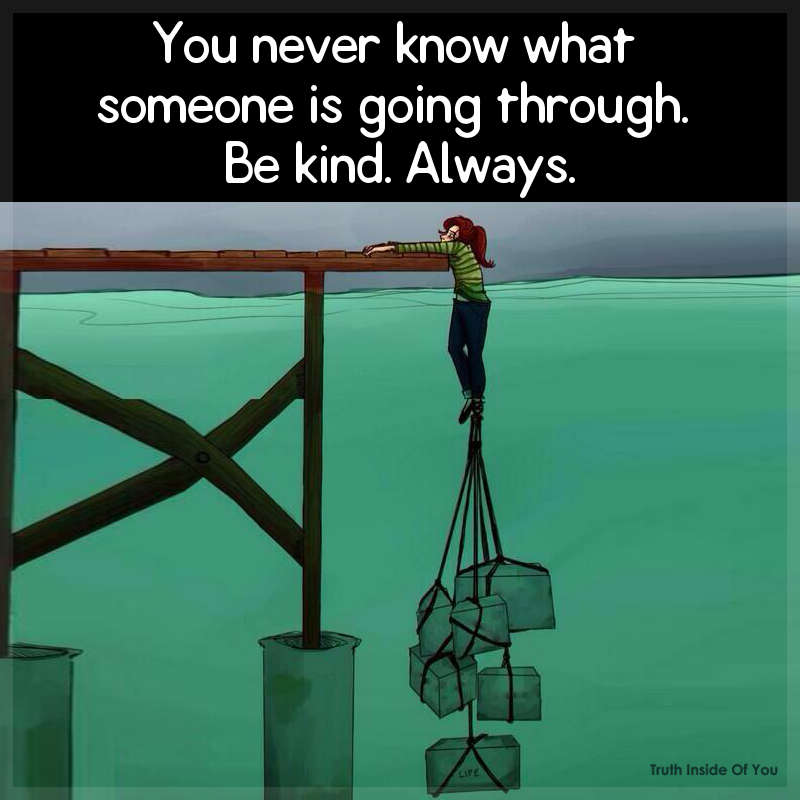
I have been pondering the moments in our lives that create challenges to our coping mechanisms. Each of us encounters these moments, often many times, throughout our lives. It begins in childhood with events that we encounter that ask us to adapt. Most children, even in the most challenging moments, assimilate the emotions and incorporate the new experience. We know that even in the most devastating situations a child can adapt and learn to cope in a way that maintains their ability to function. Much of that coping comes from ingrained personality traits we come by through genetics as well as those around us that we interact with and have influence in our lives. As we grow our ability to adapt and cope becomes more important and often harder to recover, eventually leading us through education, dating, marriage, parenting and career.

The Triangle of Health depends on the status of one to balance the other. In the moment that our physical health is impacted, our emotional and psychological health is also impaired until we can adapt by creating coping skills that once again balance our triangle. When we fail to adapt, whether it be for a short or prolonged period of time, we become mentally unwell, mentally ill.
Mental illness, like physical illness, can vary by degrees. Just as the body encounters short spurts of illness during a virus such as a cold or the flu, the mind encounters short moments of temporary illness as we adapt and cope. This most often occurs due to a one time trauma such as a car accident, the death of a pet, a challenge at work, an argument with a loved one and so on. In most cases these moments are fluid and we have encountered similar challenges before making adaptation fairly easy. These are often common, repeated events, short lived, and easy to access a support system during.
What if we encounter something more serious? Something similar to appendicitis, hip or knee replacement, in its effects on our mental health. These events are larger, take up more room in our lives, and often remove a portion of our support system such as the death of a child, spouse, or parent, chronic or terminal physical illness, the loss of a job, physical attack such as abuse or assault. For some these moments take more work to adapt, often forcing us to create or recreate coping skills and pull others in to our support circle to help us regain our health. These events may require the help of a mental health professional and medical treatment such as counseling and medication. For most, incorporating new coping skills takes time, yet once treatment turns in to healing we readjust and regain our health. Each of us will encounter 1 or 2 of these events during our life, some more, and most of us will recover well.
Then there is the mental equivalent of cancer, stroke, amputation of a limb. The catalyst can be a large one time event in our lives, or many smaller events where we have been unable to recover our health, unable to build coping skills to help us adapt and move forward. For some, chemical imbalances in the brain prevents healing. For others, the defining moment may have been so debilitating they have never been able to form coping skills to move past the psychological damage. Truly, without inherent and adaptive coping abilities, even what appears to be a small moment can cause such debilitating damage to our health triangle that each additional challenge further impairs adaptation. This creates an emergent moment that so greatly impairs our healing we become severely ill and experience psychosis. In this situation the person is no longer able to heal without intensive therapy and medical care, and even then some never regain their health. This is a medical emergency. Without treatment there is a true risk that the person will hurt themselves or others.
The fact is, each of us encounters mental illness. There is not a person born that has escaped the moments that challenge our coping skills and support circle. Hopefully these moments are sparsely scattered throughout our lives in such a way that we can recover and build on our ability to adapt, therefore making it easier for us to regain our mental health. Most of all, understanding that the human experience includes moments of mental illness should lend us to compassion, empathy, and allowance for those in the crucial moment of adaptation to their circumstances.